What Batman and the Avengers Teach Us About Morality
By Jackson Fuller
Deontology is a moral philosophy that holds that certain actions are inherently right or wrong based on duty and moral rules — regardless of their consequences. This stands in contrast to Consequentialism, which judges actions solely by their outcomes. Both Deontology and Consequentialism are not going to define what a good action or good outcome is, they merely set the stage for other moral theories like Hedonism or religious philosophies to explain what is good for a group or individual.
People have forgotten deontology. Let me back up with an example. Batman, Spider-Man, and Superman are the three most well-known comic superheroes, known throughout the world as righteous icons of heroism, kindness, and justice. But throughout my life, a question has often been posed: “Why doesn’t Batman just kill the Joker (one of Batman’s arch-villains)? After all, the Joker is only going to break out of jail again and kill way more people. Is Batman to blame in part for the Joker’s homicides?” And people don’t know the answer; they’ve forgotten deontology and come up with other answers. I’ve heard people say he should kill the Joker because one life is less than a thousand — and morality really is about math, right? No, that line of thinking stems from Consequentialism and attempts to see people as data points; 1 point is greater than 1000. But you and I are not simply numbers in a math equation. People try to make Batman’s no-kill rule a matter of not stooping down to his rogues’ level, but to me, it is not that either. Batman (depending on the depiction, but let us go with a more hopeful one) is not just some vengeful man-child always holding himself back from mauling and killing criminals. Batman is a hero, a protector of people who hopes for the best for his city. I, along with other famous comic book writers like Alan Moore, believe Batman, along with Spider-Man and Superman, don’t kill because murder (the unlawful killing of another person) is wrong. The individual action of taking another’s life based on one’s own whims and thoughts is not simply stooping too low — it is wrong, it’s that simple.
This same moral tension between means and ends is not confined to comic books — it plays out in real-world justice systems every day. Japan has a legal system that finds 99.3% of those put on trial to be guilty (37% of cases are taken up). Often described as a system in which one is presumed guilty until proven innocent, Japan’s legal system allows for 23 days of pretrial detention per charge. Leading to cases of prolonged interrogation and detention with no lawyer and certainly no trial. False confession is certainly not off the table either in this “hostage justice” system; but let us suppose every single convicted man was guilty of the crime they committed, would this system’s methodology be a correct, moral, and true one? No, it wouldn’t be; you and I both feel it, not because the consequences would be necessarily bad but because the steps and actions we took to get there would be. As fair a case as can be ought to be presented for every defendant because that is justice; the means are what matter, not merely the end goal.
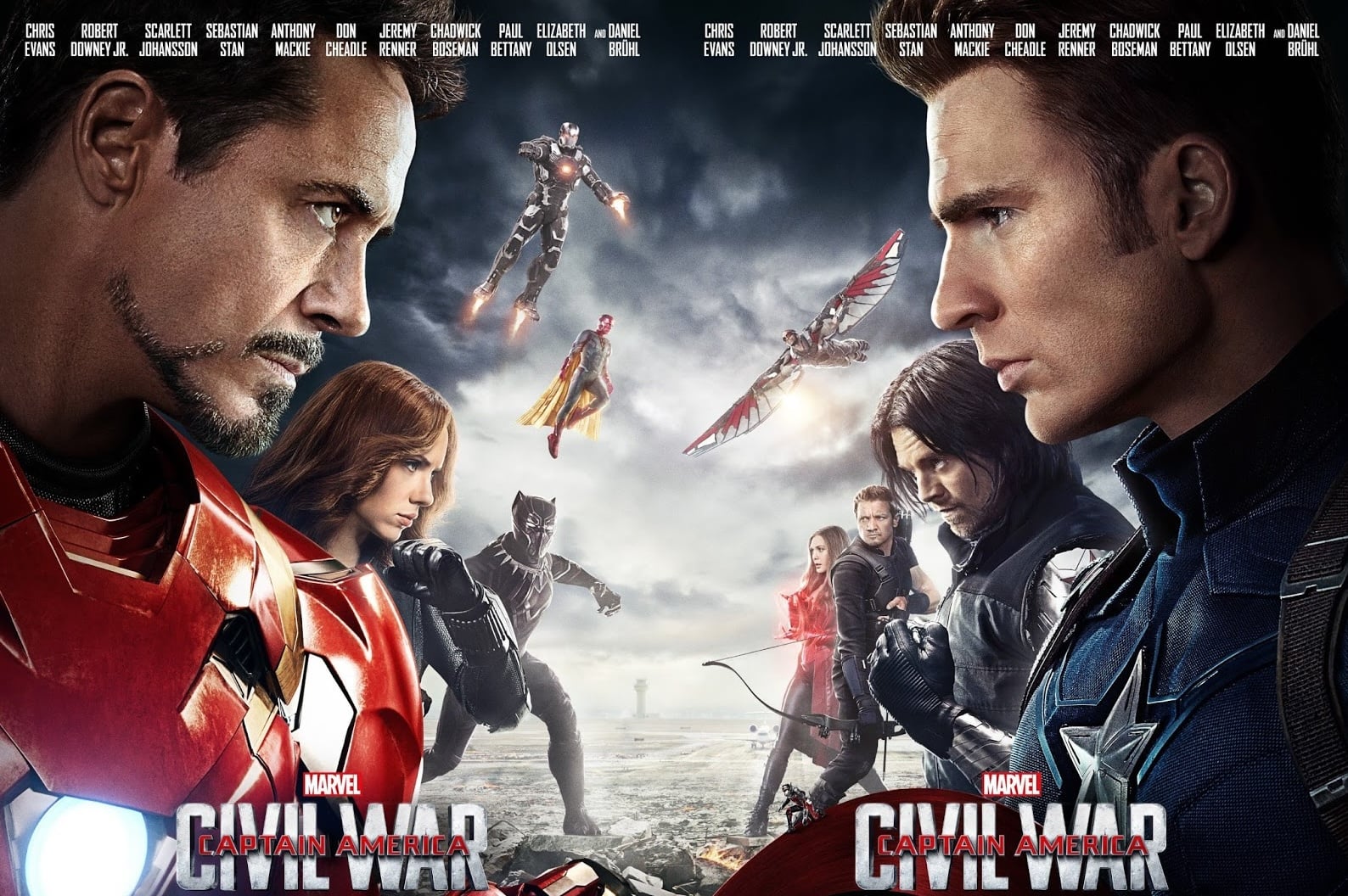
And that is the problem of late, many people think, although they don’t say it, that the ends justify the means. But they don’t. And oftentimes, the “means” make the “ends” even harder to achieve. To go to superheroes once again, in the movie Avengers: Infinity War and its sequel Avengers: Endgame the villain Thanos has an altruistic goal: He dedicates his life in pursuit of making a universe of full bellies and happy children, of peace and prosperity. Thanos is just going to kill half of all life in the universe to do it—”a small price to pay” as he puts it. We, the audience, know that this methodology is wrong and so we cheer on the heroes as they fight against him. Captain America, who throughout the movie franchise is a paragon of integrity and virtue, objects to the world that Thanos would create calling it “born out of blood.” This statement is a moral one, an objection to the happy world that Thanos would create, saying that it will never be moral or good or right if it is made from all of those whom Thanos would slaughter; the world would be tainted and farther from the one Thanos wishes to create.
In a line that is so often repeated we forget where it is from Ralph Waldo Emerson (famous early 1800s American author) wrote in his book Self-Reliance that “Life is a journey, not a destination.” One cannot hope on any outcome for themselves or society without taking the long, difficult, and moral choices to get there. Because the wrong ones only make the destination farther, there are no shortcuts or hacks in life—simply good actions and bad actions.
. . . . . . . . . . . . . .
Jackson Fuller is a Young Leaders Fellow at the Frontiers of Freedom Institute.