America was built on free enterprise and personal initiative, an environment where hard work and innovation are encouraged and rewarded rather than restricted by excessive regulation. Our nation wasn’t shaped by distant bureaucrats, but by the innovators and entrepreneurs who seized opportunities and took risks.
It is this belief in personal responsibility and the power of open markets that has fueled unmatched economic growth and expanded opportunity far beyond what any centrally planned system could ever deliver. America prospers when the government trusts the American people and steps aside, allowing their hard work and initiative to drive real progress.
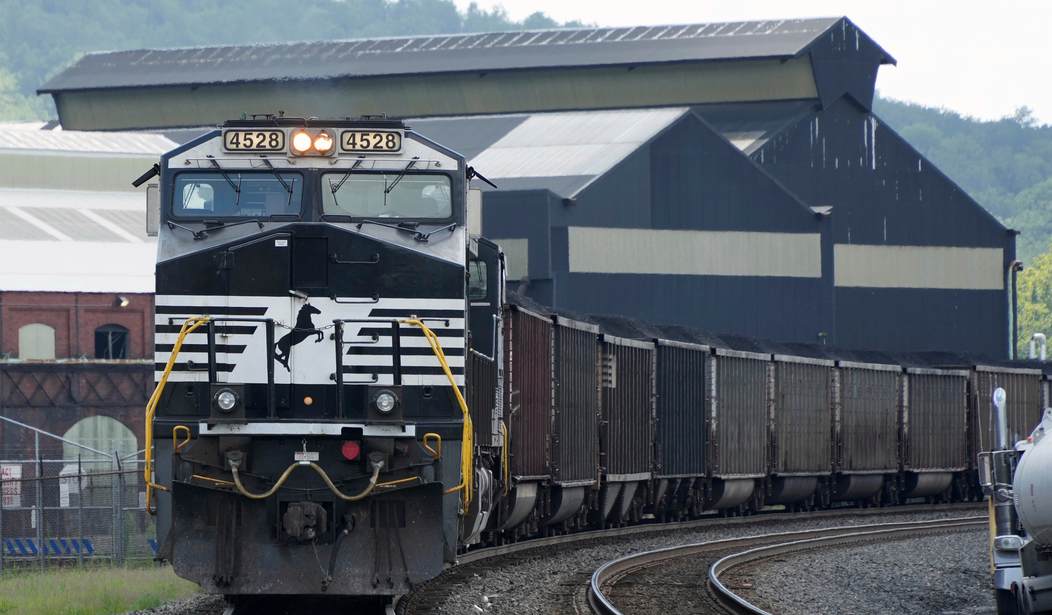
Today, those principles face a new test as private investment steps forward to meet the challenges of a modern economy. The proposed Union Pacific and Norfolk Southern merger exemplifies the kind of private-sector leadership our economy needs.
By connecting more than 50,000 route miles across 43 states and linking nearly every corner of North America, this merger would strengthen our rail network, reduce bottlenecks, and improve the movement of goods nationwide. And it would deliver these benefits without asking taxpayers to foot the bill.
The free market is doing exactly what it does best: solving problems, expanding capacity, achieving results no federal agency has ever been able to match.
Without question, the economic stakes in this merger are enormous. In 2023 alone, America’s freight rail sector generated more than $233 billion in total economic output and supported nearly 749,000 jobs across the country, from logistics and manufacturing to technology and trade.
The proposed UP–NS merger would build on that momentum. According to the Association of American Railroads, every $1 invested in freight rail generates roughly $2.50 in economic activity nationwide. A unified, modernized network of this scale would amplify that return by spurring growth, strengthening supply chains, and improving service for shippers across the country.
That potential becomes even clearer when looking at how closely these two railroads already work together. Union Pacific and Norfolk Southern currently exchange about one million shipments each year and are each other’s largest interchange partners.
Bringing these networks together will mean lower transportation costs for businesses, fewer handoffs that slow freight, and more direct access to markets nationwide and around the world.
As freight moves more efficiently across this larger network, supply chains will become more reliable, shipping delays will shrink, and families will ultimately see lower prices at the checkout counter.
When railroads operate more efficiently, the savings don’t stay in corporate budgets. They ripple through the entire economy and reach everyday Americans.
If we still believe in the principles that built this country, then we should welcome this merger, not resist it. We need to trust the free market to ensure America grows stronger and is better prepared for the future.
By George Landrith, President of Frontier of Freedom