The GOP Needs A Pro-Growth Message and Pro-Growth Messengers
They didn’t call Ronald Reagan “The Great Communicator” just because he knew how to deliver a speech. The fact is, he—more than any president in recent memory—knew how to bring…
They didn’t call Ronald Reagan “The Great Communicator” just because he knew how to deliver a speech. The fact is, he—more than any president in recent memory—knew how to bring…

By Rich Lowry • National Review The Left distorts what happened in El Salvador in the 1980s. In a viral exchange at a congressional hearing last week, the new congresswoman…
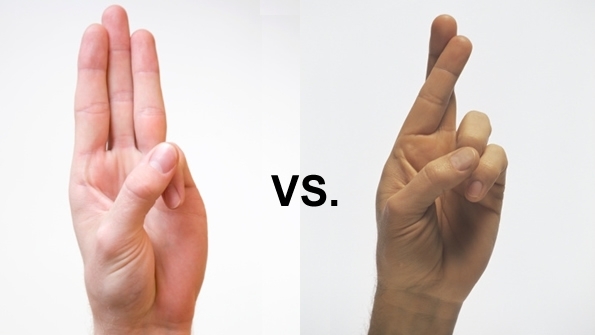
Investor’s Business Daily A week and half after President Trump and Chinese President Xi Jinping met to smooth over trade disputes, China announced it will buy more foreign goods ,…
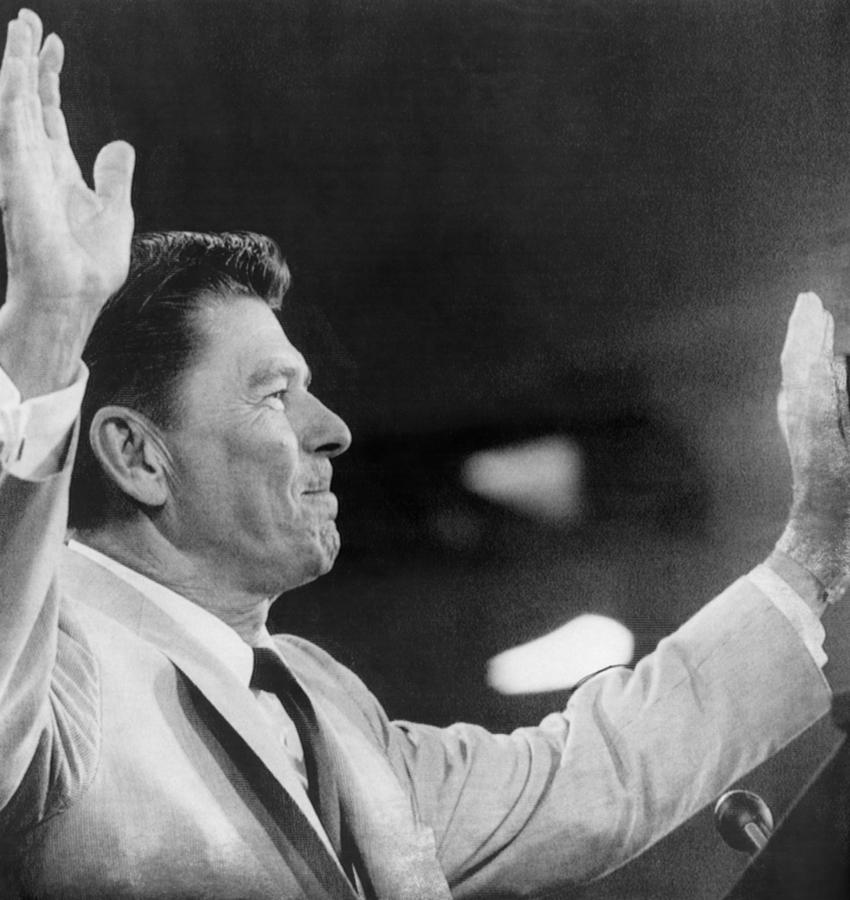
By Peggy Grande • Fox News Now that his summit with North Korean dictator Kim Jong Un is back on for June 12 in Singapore, President Trump will benefit from…
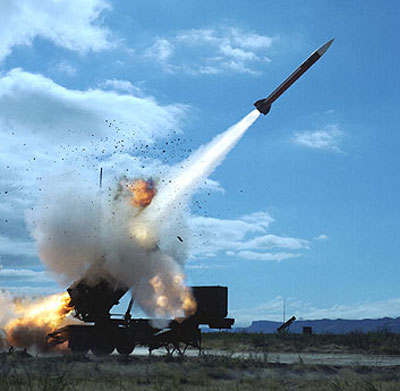
About 40 years ago, Ronald Reagan and U.S. Senator Malcolm Wallop shared breakfast at U.S. Senator Paul Laxalt’s ranch. Virtually no one knew that this meeting took place or understood…
by Peter Huessy Does the United States need nuclear weapons? What role do they play? And if they are valuable, how much should we spend supporting such a nuclear deterrent?…
by George F. Will • Washington Post Donald Trump is just one symptom of today’s cultural pathology of self-validating vehemence with blustery certitudes substituting for evidence.…
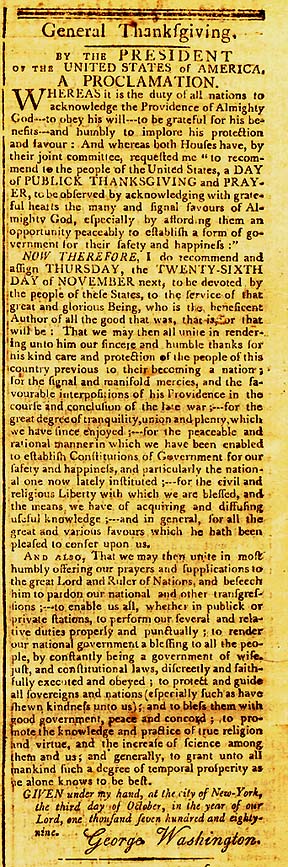
“We have seen the splendor of our natural resource spread across the tables of the world, and we have seen the splendor of freedom coursing with new vigor through the…
by Ed Meese & John Heubusch • RealClearPolitics There are over a thousand books on the subject of Ronald Reagan and his presidency. This is not surprising…

Freedom and opportunity are on the horizon with a new crop of principled, capable and positive conservatives. by George Landrith In the past few weeks and the next couple…
Martin Anderson, a key adviser to Ronald Reagan, leaves behind a lasting legacy. By Peter Roff • U.S. News As an economist and political scientist, Martin…
“In this day, when our freedom to worship is most precious, let us redouble our efforts to bring this and other greatest freedoms to all the peoples of the Earth.”…
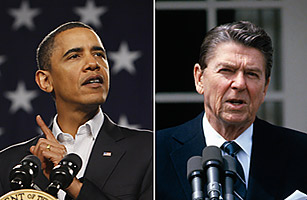
by Brent Budowsky • The Hill When President Obama and European leaders meet at the NATO summit meeting in Wales on Thursday, they will have one last chance…
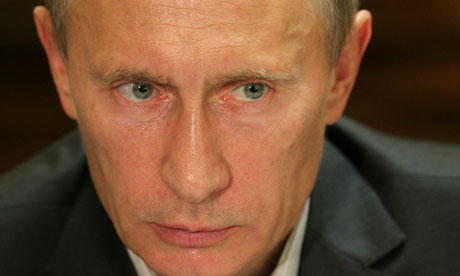
To understand Vladimir Putin’s wars, the key is to understand the final two decades of the Soviet Union, not the first two decades of the new Russia. by Tom Nichols…